• LASER MARKING / LASER ENGRAVING

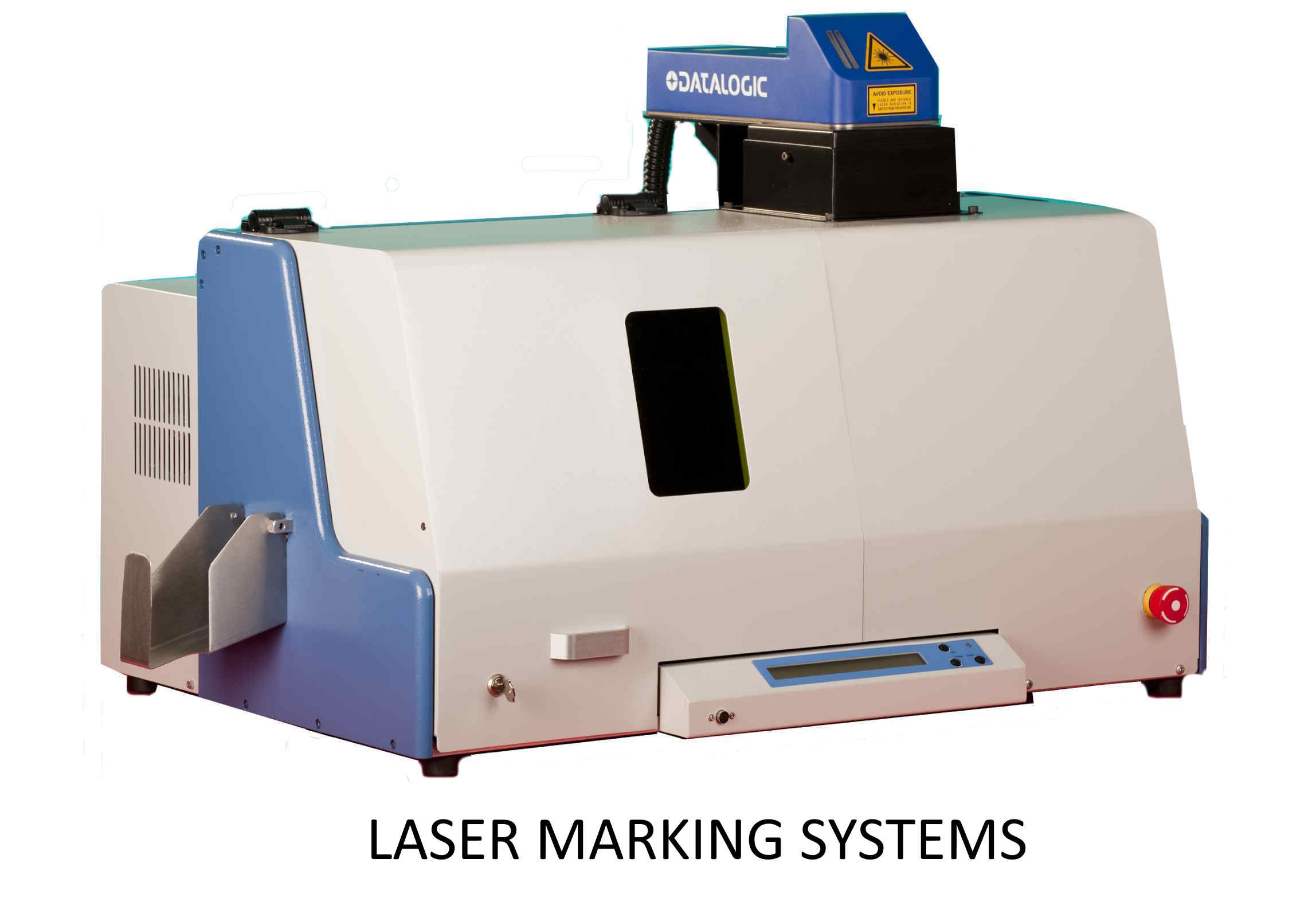
    Our comprehensive range of laser modules and safety enclosures provides fast, efficient and cost effective solutions to any component marking requirements. Contact our experienced sales team to discuss your individual component marking requirements and arrange for your sample processing.

  • PLASTIC CARDS

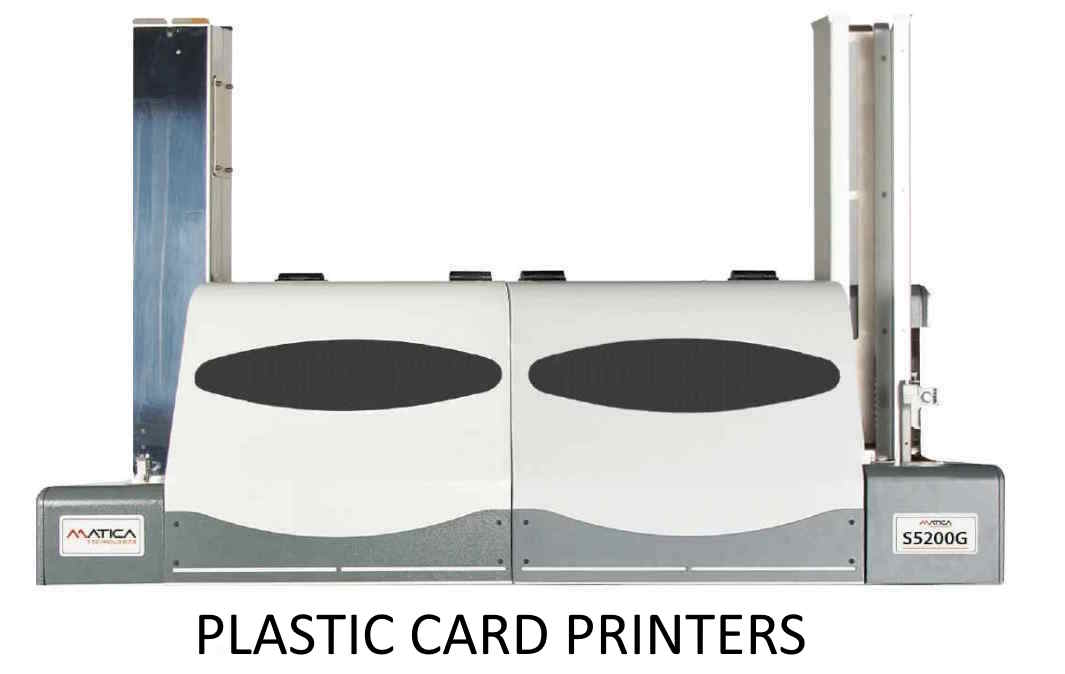
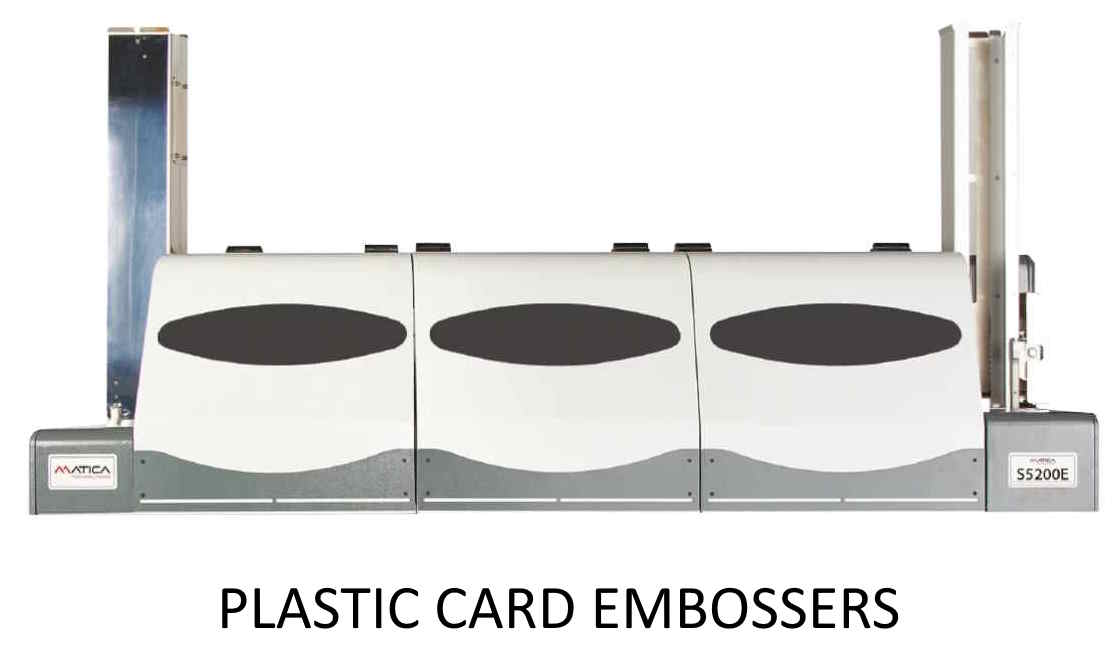
    Comprehensive range of plastic card personalisation solutions. Speak to our experienced staff to discuss your plastic card personalisation requirement. Our products include plastic card embossers, high-speed thermal plastic card printers, card mailing solutions and associated consumables.

  • METAL PLATE MARKING

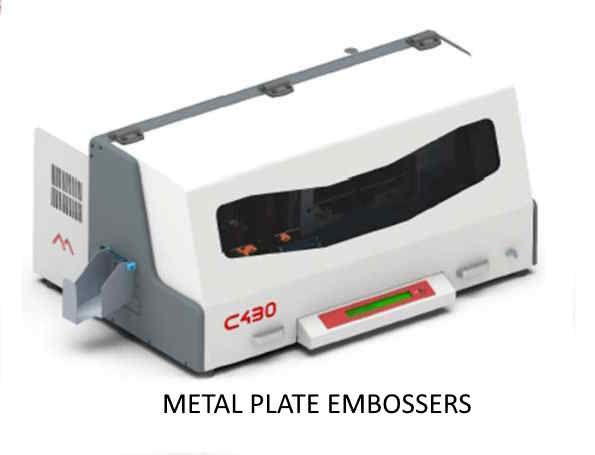
    Our range of heavy duty metal plate embossers provide the ideal solution for all metal plate marking, from VIN plates to dog tags. We can also advise on most leading manufacturers of dot peen and scribe markers, and are happy discuss your metal plate marking requirements.

  • PARTS TRACKING

    Utilising the latest vision systems coupled with customised software we can provide turn-key parts tracking solutions. Whether its reading barcodes, data matrix codes or performing OCR functions we can help you to select and optimise your parts tracking process.

Back to Identisys homepage

Laser Marking / Laser Engraving

Laser marking is an essential part of any manufacturing process, and the modern solution to marking without any applied mechanical force is by the use of lasers. Whether identification is required for in-house quality control/tracking or externally for part branding/traceability lasers provide a fast, indelible, quality mark with virtually no post processing of the component.
Some reasons for marking components:
  • Product Identification - (e.g. part number)
  • Product Branding - (e.g. company logo)
  • Product Specification - (e.g. operating voltage/pressure)
  • Product Traceability - (e.g. serial number)
  • Product Functionality – (e.g. texturing/gradation lines)
  • Product Styling – (e.g. logos and images)
Lasers have gained a strong market position in the manufacturing process of component marking, and today in the manufacturing industry lasers are routinely used to mark a diverse range of components of differing material types. The non-contact marking method allows for the marking of complex shapes with hard to reach locations. High quality marks can be applied at any stage in the production process, whether blanks, semi-finished or finished components.

The Windows based operating software allows for the marking of serial numbers, barcodes, data-matrix codes, symbols and logos. Individual jobs are easily set-up and advanced programming allows for complex scenarios, such as automatic job selection according to part type, data extraction from remote locations etc.

Identisys supply the full range of cab laser products which includes three conventional diode pumped NdYag lasers (Magic, Genesis, and Nexus) as well as two diode pumped fiber lasers (FL10 and FL20). When these laser units are combined with a safety housing/parts handling station and Windows based marking software you have complete Class 1 component marking solution.

The lasers supplied by Identisys are capable of marking a wide range of material and in general the best way to check a specific material is to send a sample to our applications team for assessment. Here are a few examples of the types of marks that can be applied to Metal and Plastic components

Metal

Various metals absorb the laser radiation differently and depending on the intensity of the laser light and the reaction time, either a surface heating effect giving rise to a tempered mark (colour change) occurs, or vaporization of the material which gives rise to an etched mark. It is also possible to coat the metal as in anodized aluminium whereby the laser removes the surface (anodized) layer thus giving rise to a mark by exposing the underlying layer.

Plastic

Many plastics types can be marked using the NdYag laser, and the type of mark achieved will depend on the composition. Special additives can be introduced into the plastic material to assist the marking process. The different types of marks fall into one of four categories: Surface or sub-surface colour change. Engraving – ablation of the material surface. Foaming – whereby the surface of the material is disrupted to give a contrast change. Removal of overlay material to expose base plastic.
Back to Identisys homepage

Metal Plate Marking

Quick Contact

Name* :
Email* :
Telephone :
Show Full Options :
Message
Metal plates are used in a variety of industries, especially in environments where durable product identification is required, and direct part marking is not feasible or desired. Marked plates can be attached to the product requiring identification by various methods including rivets, adhesive etc. Plates pre-marked with generic information using conventional printing methods (silk screen, pad etc.) can have unique data added at a later time using embossers or mechanical engraving methods. Lasers have an advantage whereby complex logos, lines, boxes and generic plus unique data can be applied to a blank metal plate to complete the process in one step.

Embossing Equipment

The process whereby a metal plate is marked by pressing the metal between a male and female die engraved with the desired character. Various die sets are available offering different sizes and fonts styles.

Mechanical Engraving, dot peen or scribing

In dot peen marking a vibrating stylus (carbide tipped) is guided across the material using X and Y axis to form the desired characters, the plate or object to be marked needs to be clamped firmly. The scribing process also uses an X and Y carriage system but in this case the stylus is plunged into the material and dragged through the material to create a continuous line. As the applied forces are considerably higher than the dot peen process the component clamping needs to be extremely rigid. Dot peen markers can achieve fairly high quality 2D matrix codes.

Laser Engraving

A beam of concentrated laser light is guided over the metal plate using a system of mirrors to create the mark. By varying the speed, pulse frequency and focus distance various types of mark can be applied ranging from engraving to annealing. As no force is applied to the plate being marked the fixturing needs only be positional rather than clamping. Marking lasers utilise a graphics based interface whereby any text, logos, etc that can be shown on a PC screen can also be marked onto a plate. Lasers offer the best results when it comes to marking unique 1D and 2D codes. Identisys can also offer advice regarding suppliers of screen or pad printed metal plates as well as information regarding chemical etching equipment.
Back to Identisys homepage

Plastic Cards

Visible personalisation of plastic cards can be done in two ways. Thermal card printing or plastic card embossing. Identisys are the UK distributor for CIM who manufacture and supply professional plastic card personalisation equipment to banks and card bureaus around the world. Our range of multi-modular Pro-Series systems for high volume card production facilitate the linking of personalisation systems such as plastic card embossers and thermal card printers to plastic card mailing systems and multi-card feeders for complete end-to-end card personalisation, encoding and mailing.
Some Common Uses of Plastic Cards
  • Bank Cards
  • Loyalty Cards
  • Membership Cards
  • ID cards
  • Access Cards

Thermal Card Printing

The process of thermally transferring coloured dye from printer ribbons to plastic cards to create the required image, text or barcode. Typically pre-printed cards are personalised with the customers’ personal information using a monochrome ribbon however a YMCKO (Yellow, Magenta, Cyan, Black & Overlay) ribbon can be used to produce full colour images.

Plastic Card Embossing

The process of creating raised characters on the surface of a plastic card using a mechanical die punch process.

Card Tipping

The process of applying a colour to the embossed characters on a card. A coloured foil (black, silver or gold) is applied to the characters using heat and pressure.

Card Encoding

The process whereby data and/or information is encoded onto either a magnetic strip or a chip. Chips can be either surface mounted or within the card for contactless applications, the most common application of this is Mifare cards . Identisys also offer hardware to fulfil other card processing requirements such as;
  • Infill - Printing of data onto a plastic card using an embosser, normally used to print security codes onto signature panels of bank cards
  • Mailing - Matching of personalised cards to personalised letters, folding, inserting into an envelope and sealing.
  • Combi Systems - Some systems carry out a single process (emboss, print or mail) however we also offer a Combi system that is able to carry out a number of processes within the hardware. These units can then automatically feed other systems to provide end-to-end solutions.
Back to Identisys homepage

Parts Tracking

The manufacturing industry has a requirement to provide traceabilty for all components and Identisys can help you put in place robust parts tracking solutions. Some of the many reasons for identifying and tracking components are listed below.
  • Identification of incoming parts
  • Maintenance of returned parts
  • Resolving warranty issues
  • Counterfeit protection
  • Liability Claims
  • Tracking high value components to prevent theft
Certain marks may only be used to track a component through the manufacturing process, others may be required to last the entire lifetime of the component and require reading years later under adverse conditions. It is therefore important to think carefully at the product design phase as to the type and content of any identifying mark. Identification marks can be applied directly to the component (direct part marking, DPM) or to some label material applied to the part during the manufacturing process.

Whether it is 1D barcodes, 2D Data Matrix codes, OCR or some other symbology, Identisys can assist by providing both hardware and software to ensure consistent reading of applied parts tracking marks and subsequent data processing.

From hand held barcode readers to multiple networked fixed reader solutions Identisys has the expertise necessary to provide you with turnkey, bespoke solutions to your parts tracking problems.